Improving the Accessibility of Trails and Campgrounds
Where presented / published:
World Trails Conference, 19–22 Oct 2026, Perth, Australia
How accessible are New Zealand’s most popular trails and campgrounds? At the 2026 World Trails Conference in Perth, John Lieswyn shared insights from a nationwide accessibility audit undertaken for the Department of Conservation (DOC), examining more than 50 trail and campground experiences across 30 locations. The presentation explores practical ways to improve access to nature, highlights common barriers and successful design solutions, and demonstrates how better information can help more people enjoy the outdoors with confidence.
The growing focus on inclusive recreation presents an opportunity to make New Zealand's natural destinations more welcoming and accessible for a wider range of visitors. In this presentation, John Lieswyn discusses ViaStrada's accessibility audit of 30 popular DOC locations, covering more than 50 walking track and campground experiences across the country.
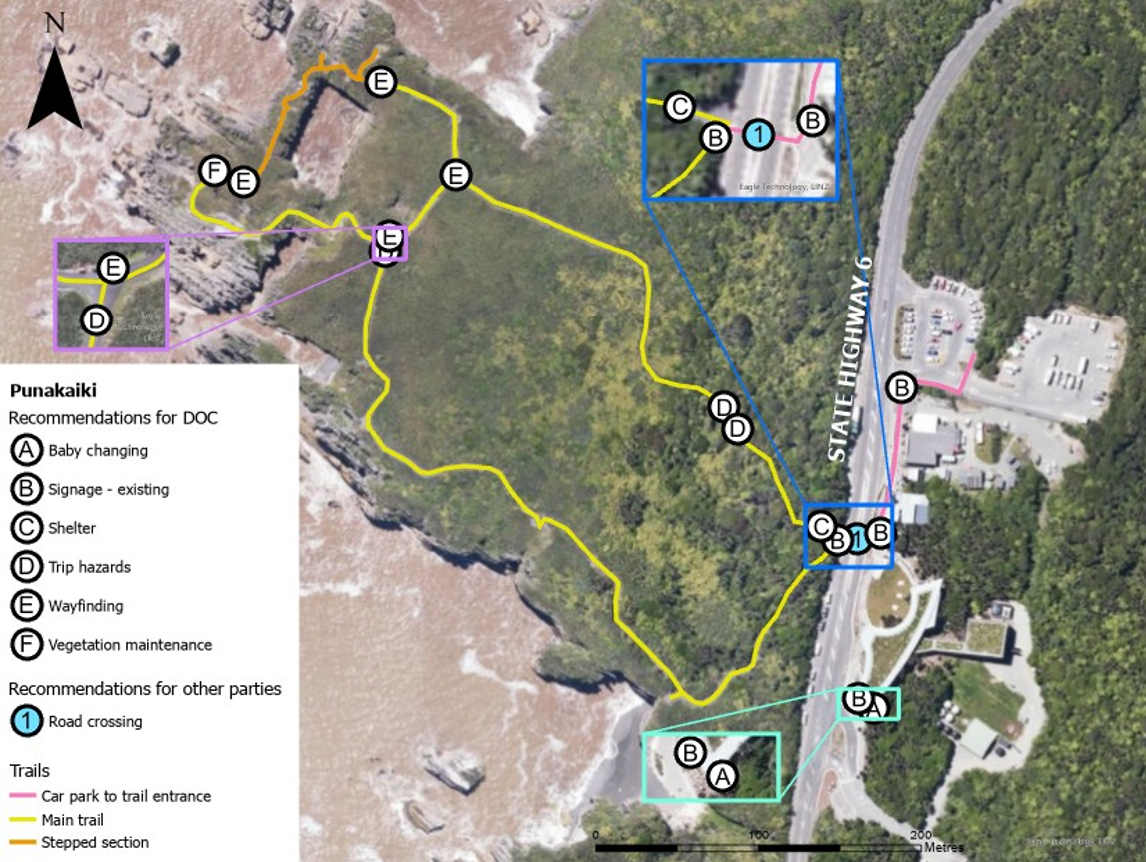
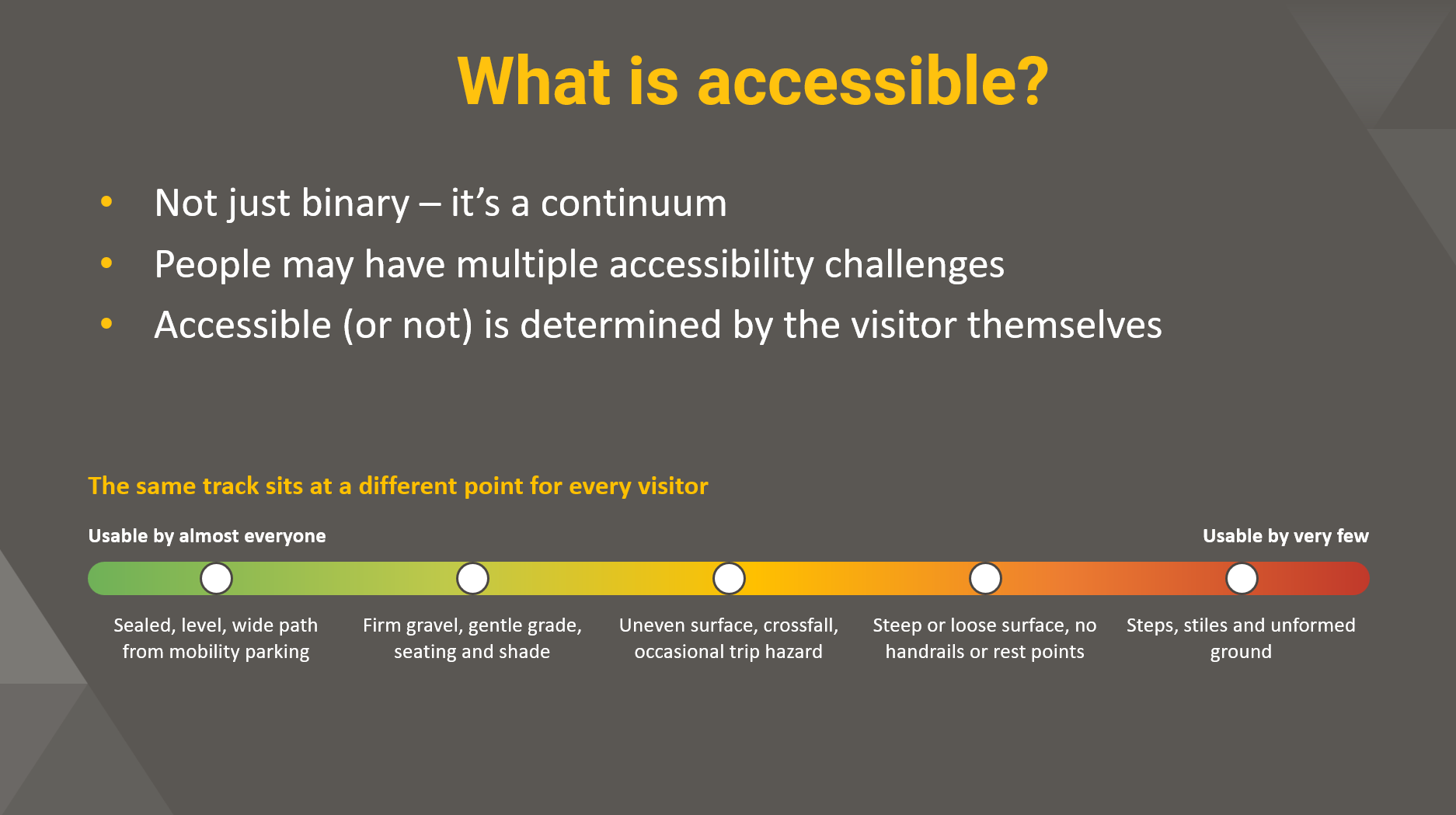
The project combined field audits, detailed measurements of gradients and crossfalls, photographic documentation, accessibility assessments, and prioritised improvement recommendations. Recognising that accessibility exists on a spectrum rather than as a simple yes-or-no outcome, the study focused on helping visitors understand what experiences may be suitable for their individual needs while identifying practical opportunities for improvement.
The presentation highlights key findings from the audit, including examples of effective accessible infrastructure, common barriers such as steps and trip hazards, and the value of clear wayfinding, accessible facilities, and high-quality visitor information. It also showcases innovative tools used to collect and present accessibility information, supporting better decision-making by both asset managers and visitors.
Presented at the World Trails Conference 2026, the paper demonstrates how thoughtful planning and design can help more people connect with New Zealand's outstanding natural environments and provide a foundation for future accessibility improvements across the recreation network.
File Downloads