Hastings rural speed limits review
Objective
Client
Location
Deliverable
Timeframe
Project Status
Background
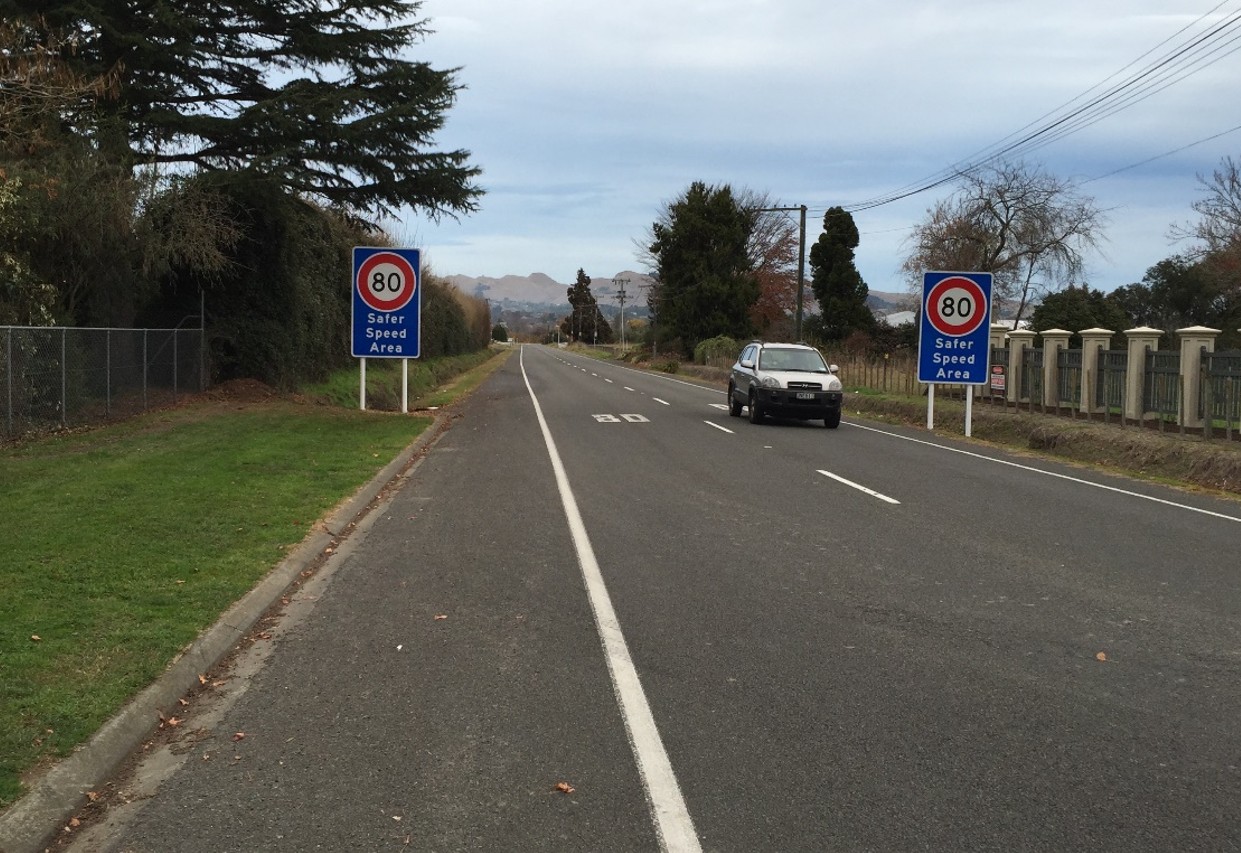
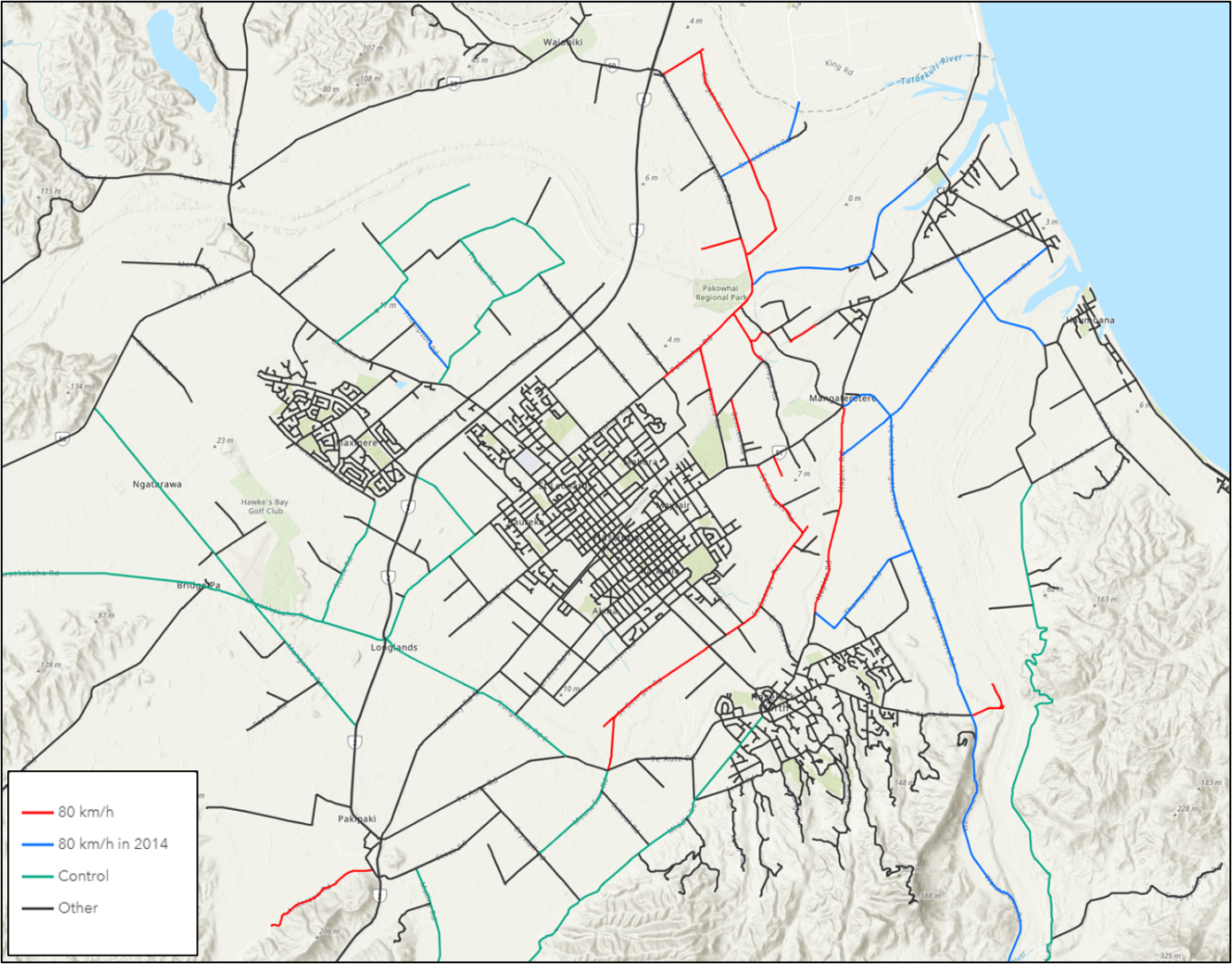
In 2014, Hastings District Council reduced speed limits from 100 km/h to 80 km/h on 44 rural roads as part of a road safety initiative, although some of these were reversed a year later. In late 2019, ViaStrada were asked to evaluate the relative safety effectiveness of these rural speed limit changes.
Our study evaluated the effectiveness of these changes by comparing treated roads with similar rural roads where speed limits remained unchanged. Using traffic, speed, and crash data collected before and after implementation, the analysis assessed the impact of the lower speed limits across the network.
The study found that the 80 km/h speed limits successfully reduced vehicle speeds, with both average and 85th percentile speeds decreasing across the treated roads, compared with increases on the control roads. Traffic growth was also lower than on comparable control roads.
Crash analysis indicated a positive safety trend, with treated sites performing better than the control network after accounting for changes in traffic volumes. While the results were not highly statistically significant, the findings suggest that the reduced speed limits contributed to improved safety outcomes. Interestingly, the road sections that were only reduced to 80km/h for one year recorded even greater reductions in injury crashes before reverting back to higher numbers when the 100km/h limits were reinstated.
Overall, the project demonstrated that lower rural speed limits can influence driver behaviour and support safer road environments, providing valuable evidence to inform future speed management decisions.