Shared Path behaviour – effects of marking research
Objective
Client
Location
Deliverable
Timeframe
Project Status
Background
As part of a Waka Kotahi NZ Transport Agency research programme, ViaStrada partnered with Mackie Research to investigate how shared path markings influence the behaviour of people walking, cycling, and using other micromobility modes. The project responded to a common challenge on shared paths: reducing conflicts between users while creating safer, more comfortable environments that encourage active travel.
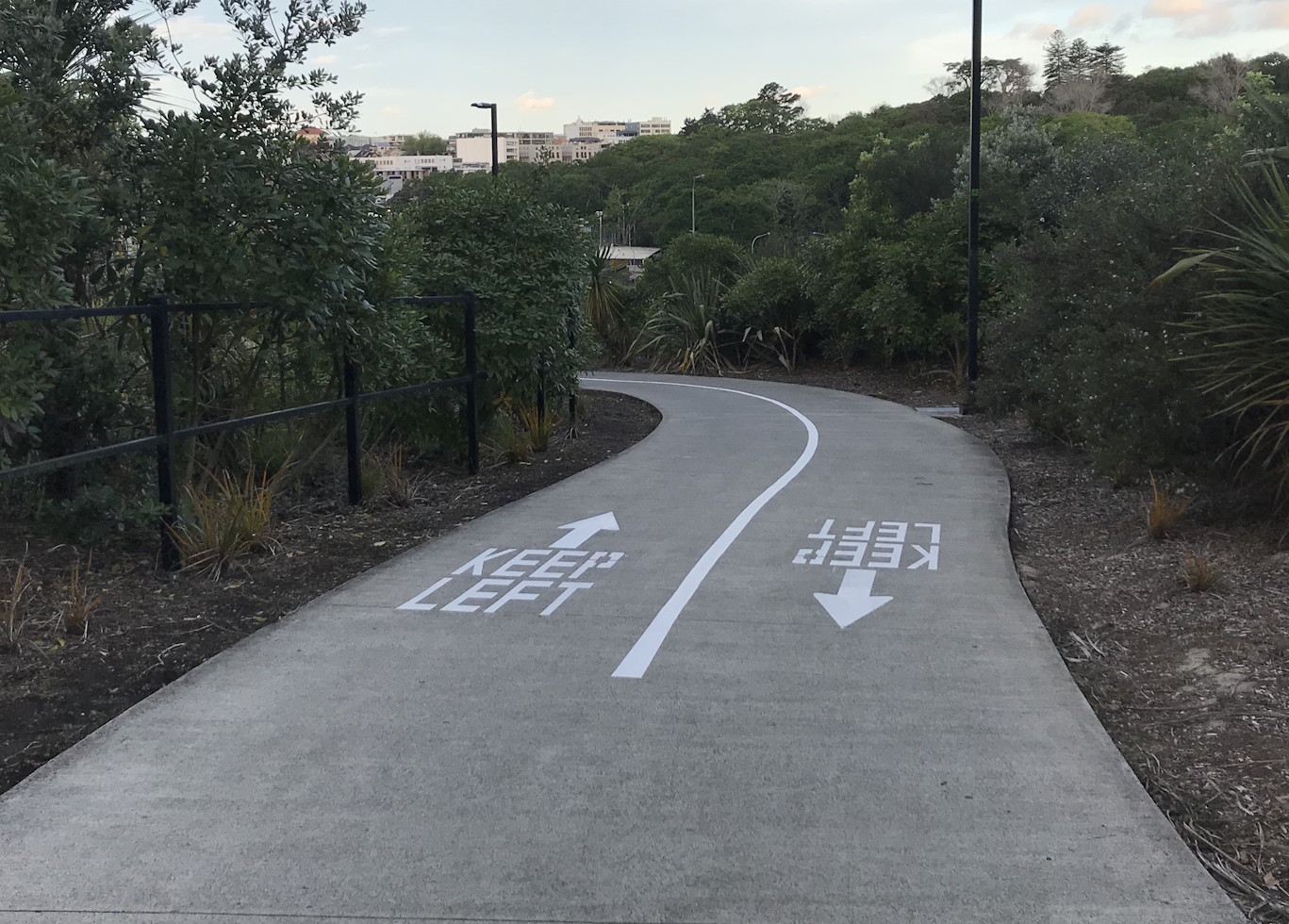
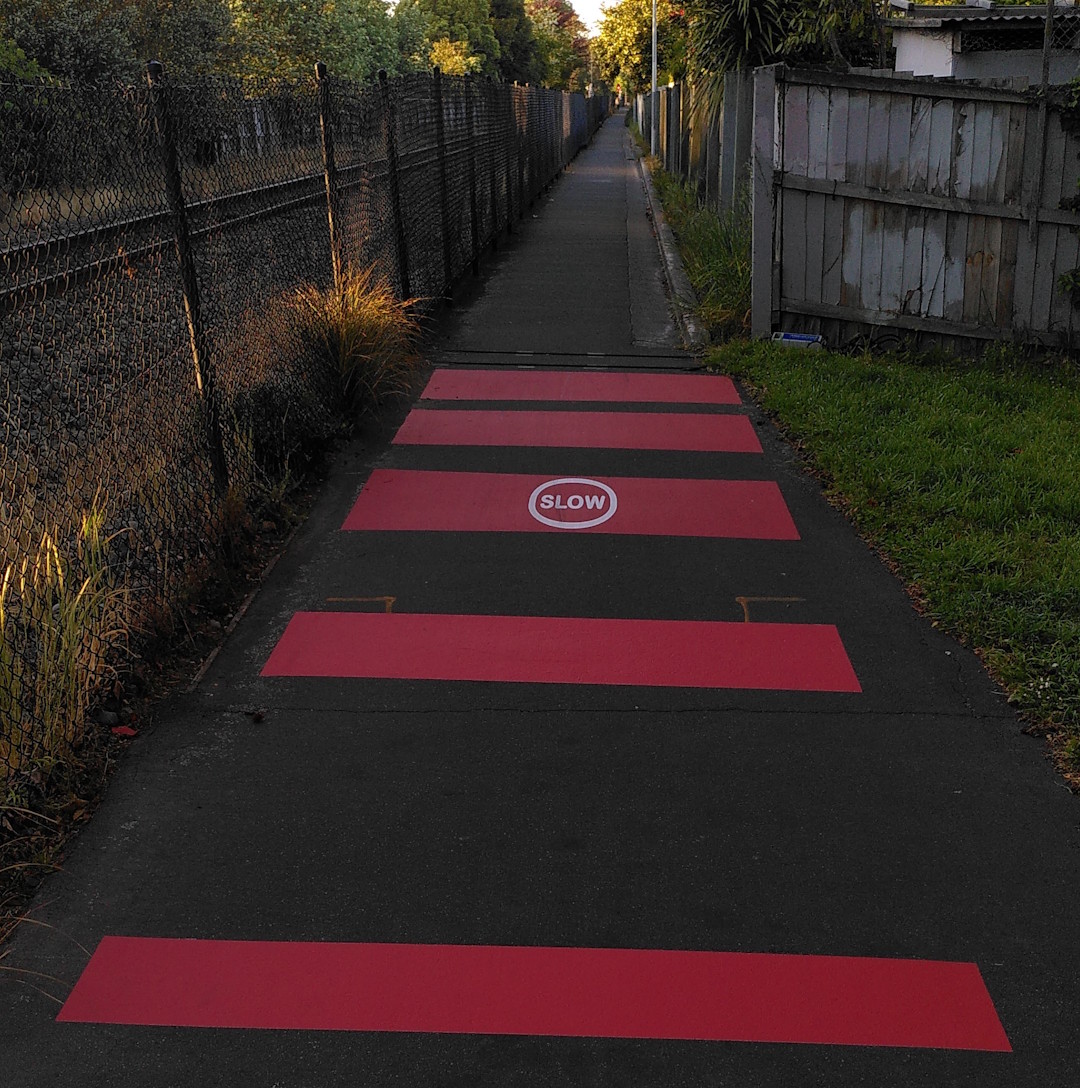
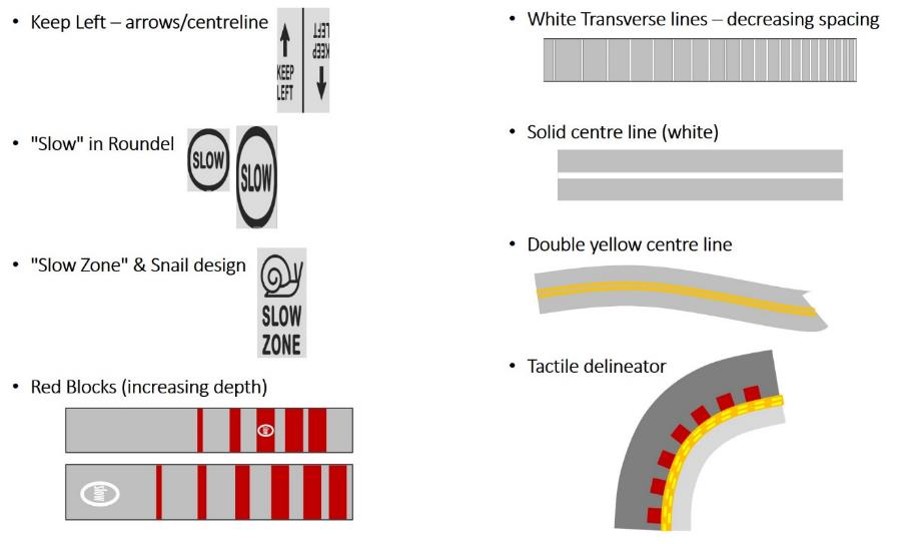
The team evaluated a range of path markings designed to encourage people to slow down, keep left, and use shared spaces more considerately. Trials were undertaken at locations across Auckland, Christchurch, and Wellington, with before-and-after monitoring used to understand how different treatments affected user behaviour. The project combined human factors research with practical active transport expertise to provide an evidence-based assessment of the effectiveness of these interventions.
The research showed that some markings can successfully influence how people position themselves on shared paths, particularly in encouraging users to keep left and reduce the risk of head-on conflicts. The findings have helped inform NZTA guidance for practitioners across New Zealand, providing valuable insights into how path design, markings, and user behaviour work together to create safer and more effective shared path environments.