Learning from Failures: Using Historical Engineering Projects to Teach Better Professional Engineering Skills
Where presented / published:
4th Australasian Engineering Heritage Conference, Lincoln University, Canterbury, 24-26 November 2014
The state of the art of engineering knowledge has historically often improved following reviews of major disasters and engineering failures. It is not desirable however for professional engineers to only improve their understanding and skills by “learning from their mistakes”.
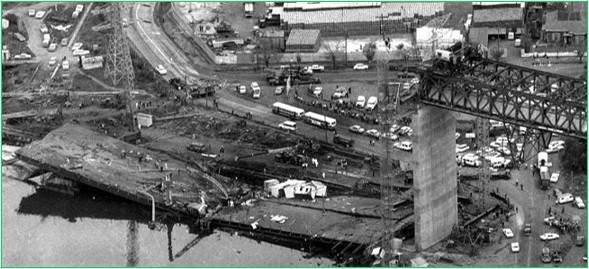
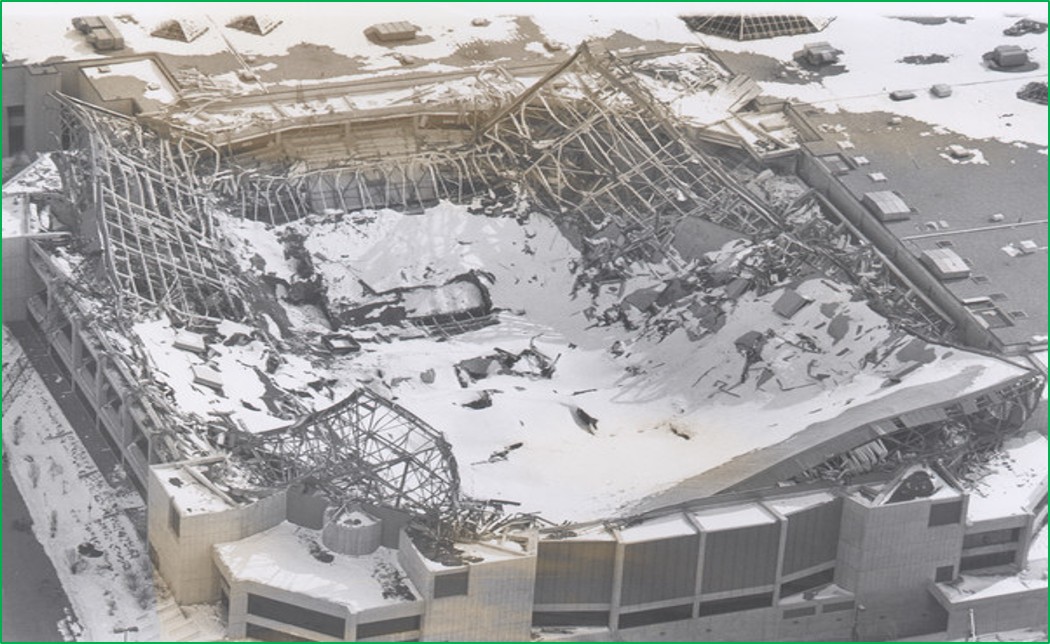
In 2013, a new final-year engineering course for Civil and Natural Resources Engineering students at the University of Canterbury aimed to get students to learn more from other people’s past mistakes. A major component of this course was a group project where students investigated notable engineering “failures” from the past century and tried to determine the causes behind them.
As well as any direct technical reasons for each failure, students were challenged to identify the more “non-technical” issues that contributed to the ultimate denouement, including human errors, ethical shortcomings, and regulatory omissions. Using this exercise, it is hoped that students would learn to recognise common “warning signs” in their future projects that may be pre-cursors to more catastrophic potential outcomes.
At the 4th Australasian Engineering Heritage Conference in 2014, Glen Koorey (then at Canterbury University) gave a presentation and paper on how the course was developed and some lessons learned from the overall project experience.
This work also led to some further work with Engineering NZ in 2020-21 looking at lessons to be learned from engineering failures and transportation engineering failures.