This is just a selection of some of the many projects that ViaStrada has been involved in over the years - click on the filter icon to refine the search by topic areas.
Projects
Filter
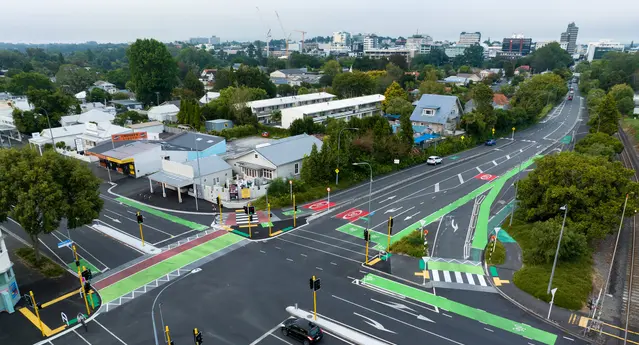
Stops and goes of traffic signals - guidance document update
ViaStrada’s update to the Stops and Goes of Traffic Signals manual is a substantial refresh of the original 2005/2006 guidance, bringing it into line
…
Read More
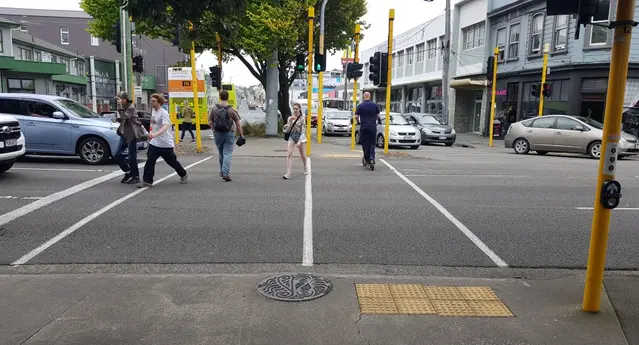
Minimum walking data requirements to progress pedestrian safety
How do we measure progress toward zero pedestrian deaths? ViaStrada research for Austroads identified the essential pedestrian data needed to support
…
Read More
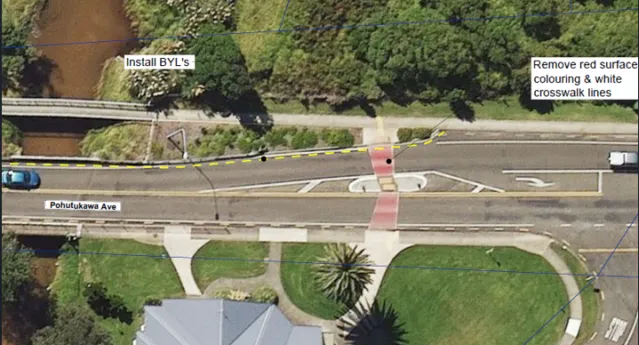
Whakatāne Crossings
People want to cross the road safely and conveniently - is a splash of red paint the solution?
Read More
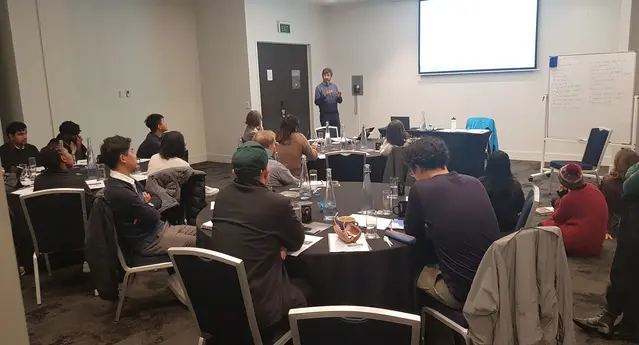
Planning & design for cycling - industry training
Did you know that to date (June 2024), since 2003 over 1500 people have attended fundamental and advanced courses in Planning and Design for Cycling?
…
Read More
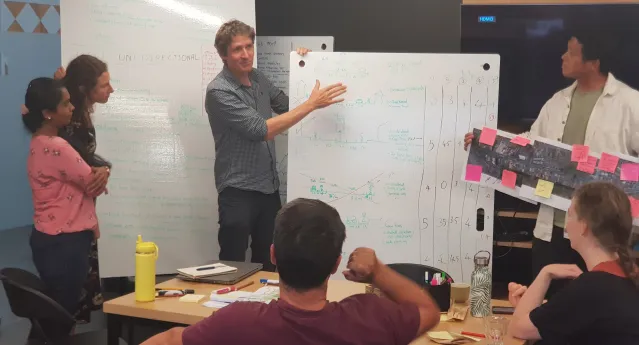
Urban Street Design Workshops
New two-day Urban Street Design workshops, developed in collaboration with NZ Transport Agency, share best practice and guidance on multi-modal urban
…
Read More
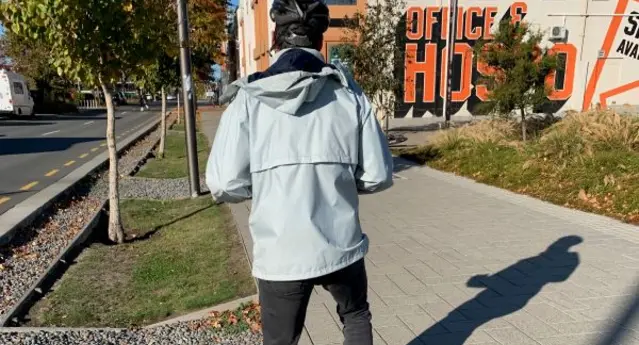
Pedestrian Network Guidance (PNG)
When the Pedestrian Planning and Design Guide was due for an update, the NZ Transport Agency called on ViaStrada as technical experts in walking
…
Read More
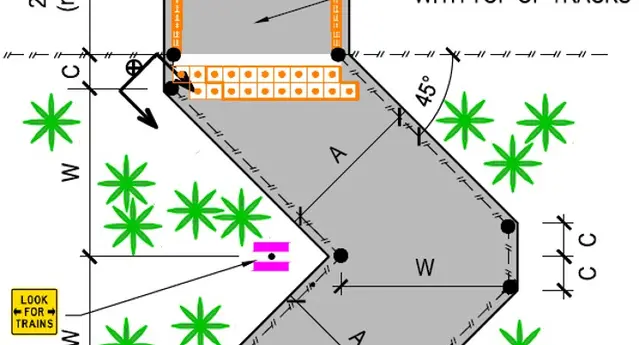
Guidelines for Pedestrian/Cycle Rail Crossings
KiwiRail and the New Zealand Transport Agency have led the development of a New Zealand design guide for pedestrian and cycle facilities at rail
…
Read More
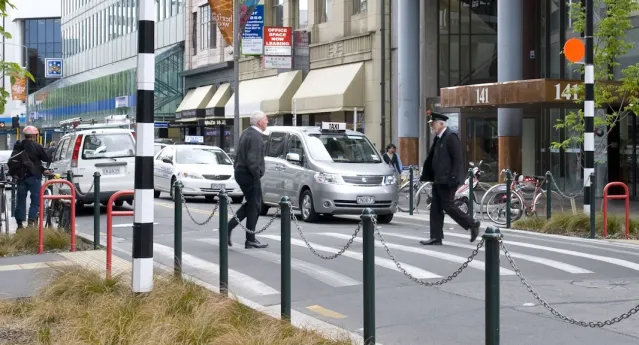
Planning and design for walking - industry training
Engineers and planners with an interest or mandate for walking, plus interested members of walking advocacy groups, are invited to register for one
…
Read More
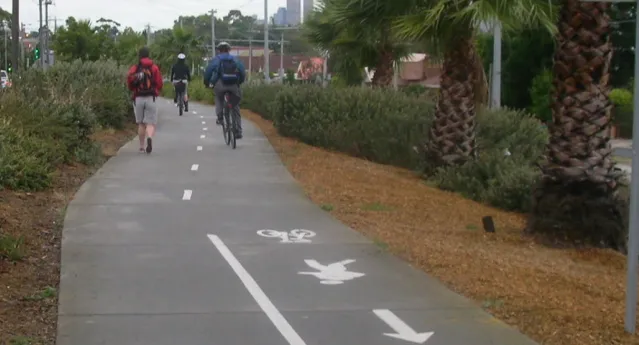
Shared use path width investigations
ViaStrada has undertaken significant research and tool development on behalf of VicRoads (Victoria, Australia) to determine appropriate shared use
…
Read More
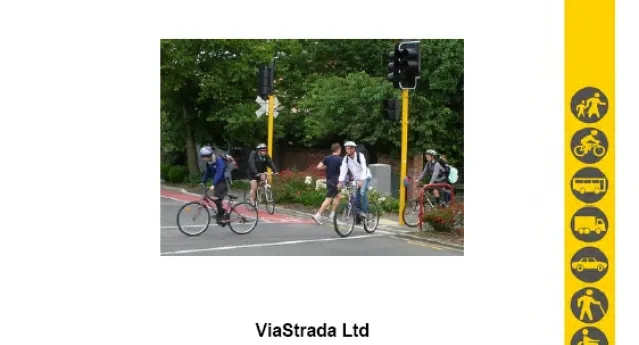
Walking and cycling strategy stocktake
Walking and cycling strategies are useful tools that aid councils in providing for pedestrians and cyclists. In 2005, earlier research found that 36
…
Read More

Publication "Pedestrian Planning and Design Guide"
Megan's first project at ViaStrada was to assist Tim Hughes of Land Transport New Zealand (now NZTA) in completing the Pedestrian Planning and Design
…
Read More
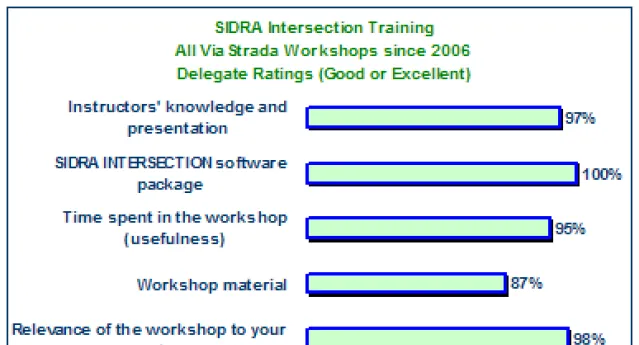
SIDRA intersection training courses
ViaStrada staff are the only authorised agents for delivering SIDRA INTERSECTION training courses in NZ. The courses run by the software developer
…
Read More
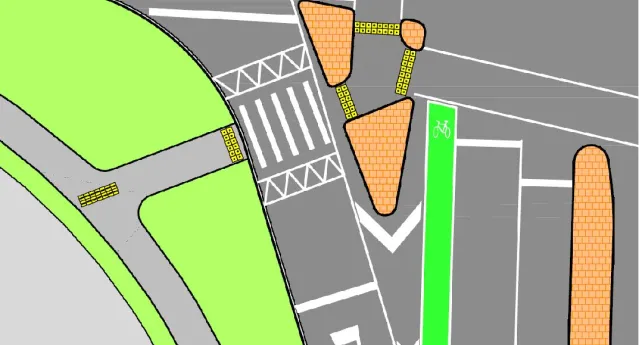
RTS 14 guideline development
The project was to provide real intersection and midblock layouts that practitioners could use to design and implement vision impaired ‘user friendly'
…
Read More